SA
@sarah.selwoodxtra.co.nz
The bearing is a light press fit in the knuckle housing. There is an outer brass nut that draws the bearing into the housing. I have seldom found this double row ball bearing too loose, but would check its tightnes. The brake drum has a hub that should be a tight fit into the bearing. If you can easily remove the brake drum, it is definitely too loose. Tightened the axle nut to 300 ft/lbs. Finding a better drum with a tighter fit would be your best bet. I remove the hubs from the drum, check for cracks, and the I either knurl the hub surface that matches the bearing if it is only slightly loose, or build up this surface with weld and machine to a press fit. I put a slight taper on it to make it start easy. To remove the drum in the future, I use a puller. This tight fit is extremely important in my opinion to have a quality drive at 55-70 MPH. You should have very little movement up- down and side to side. Any side to side only movement is probably in the steering arms, wishbone, drag link, or steering gearbox.
Pat Leahy
Pat what sort of welding process do you use?
When you knock the front wheel hubs together they emit a ringing sound which to me indicated an upmarket alloy steel.
Knocking the sliding gear with one of the front hubs emits the same sound
I'm guessing welding may introduce more problems.
Hard chrome plating and grinding may be a safer solution.
Terry, I just MIG weld up the hub surface. The ones that are only slightly loose can easily be knurled. It is easily filed so I doubt it is any quality of alloy steel. Alloy steel was in its early days in the 30's and from what I researched, the consistency what not like today's alloys. Although hard chroming is a choice, it isn't necessary because it is not a running surface. It is also costlier to do. I have found a number of hubs in my inventory that were brazed and then machined. The goal is to get a tight fit.
In our CV conversion kit, the hubs are extremely hard alloy and require grinding to a tight tolerance. I have used a shop to do these with a large high end CNC lathe with special cutters for very hard material. They had similar tolerances and finishes to grinding, but wasn't really cheaper.
Pat Leahy
Thanks Pat for the reply. I have been retired for over ten years and anybody at the steelworks were I was employed that I knew in the testing department has either retired or passed away. Otherwise I could have had the front hubs tested. I did have the rear hubs crack tested at work and was horrified to be told they were full of cracks so I bought some steel hubs supplied by Don Wohlwend.
As mentioned earlier I bought a set of Richardson's drive shafts before your's became available.
The roads out here are a far cry from what you guys have.
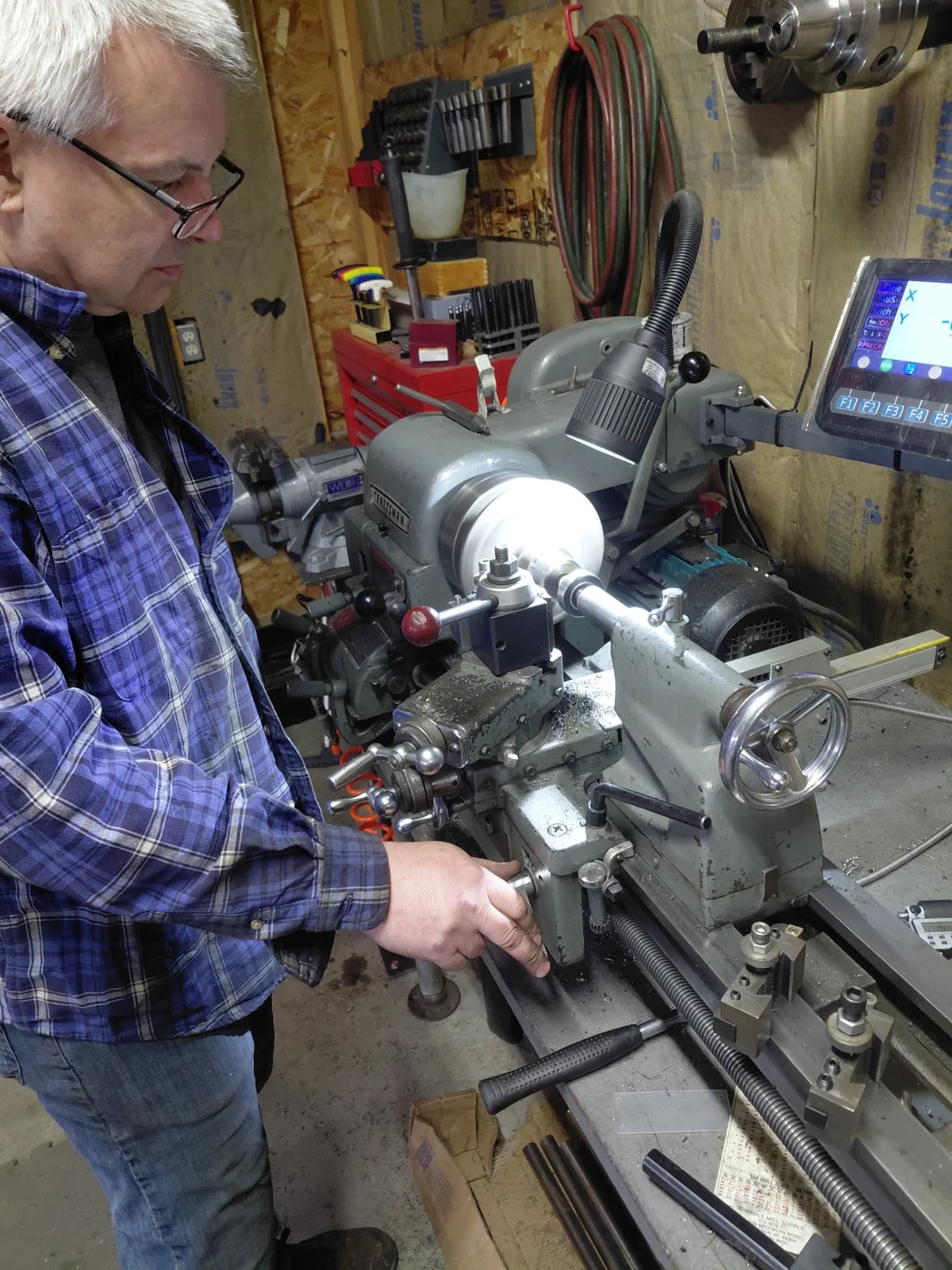
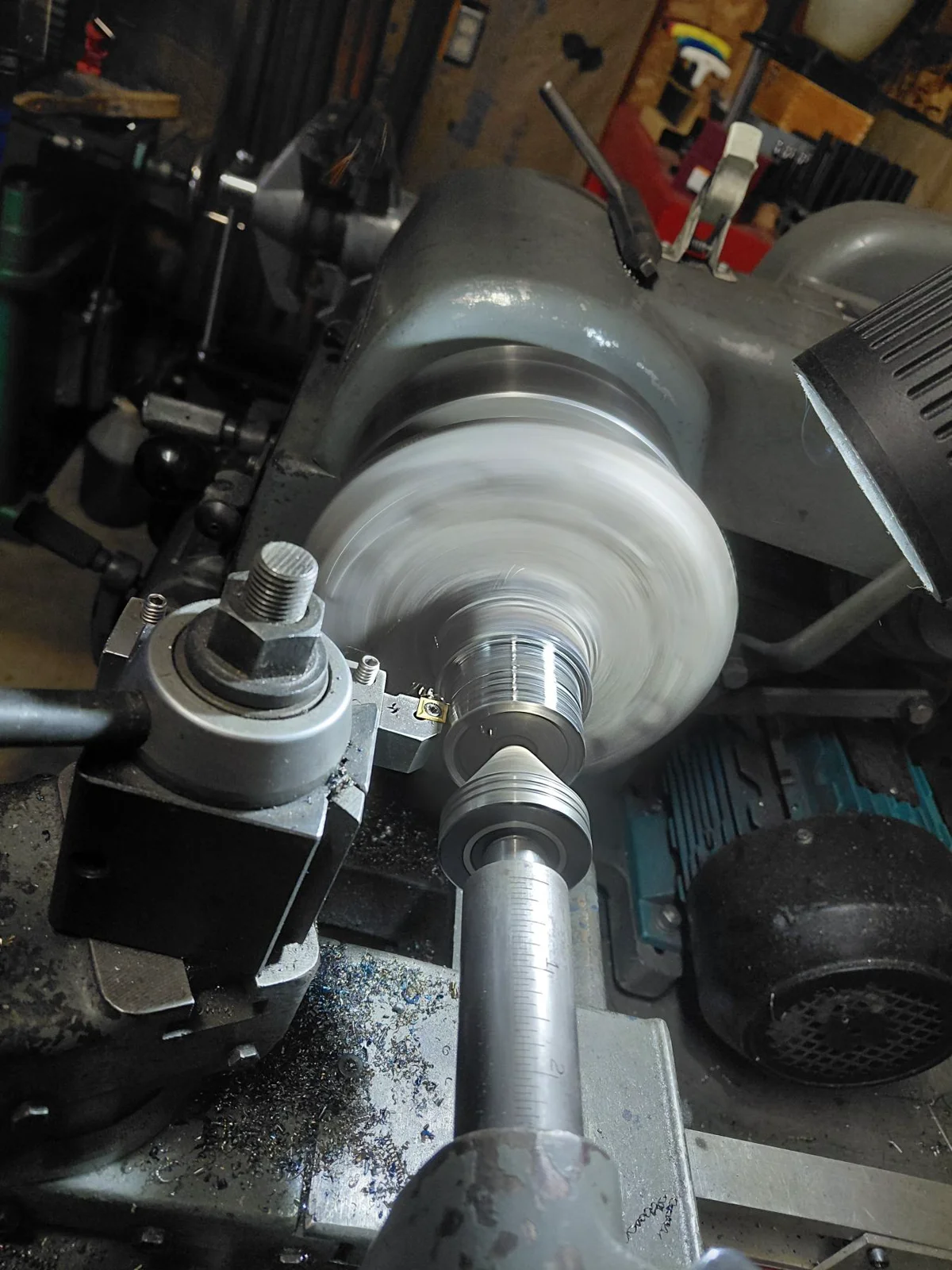
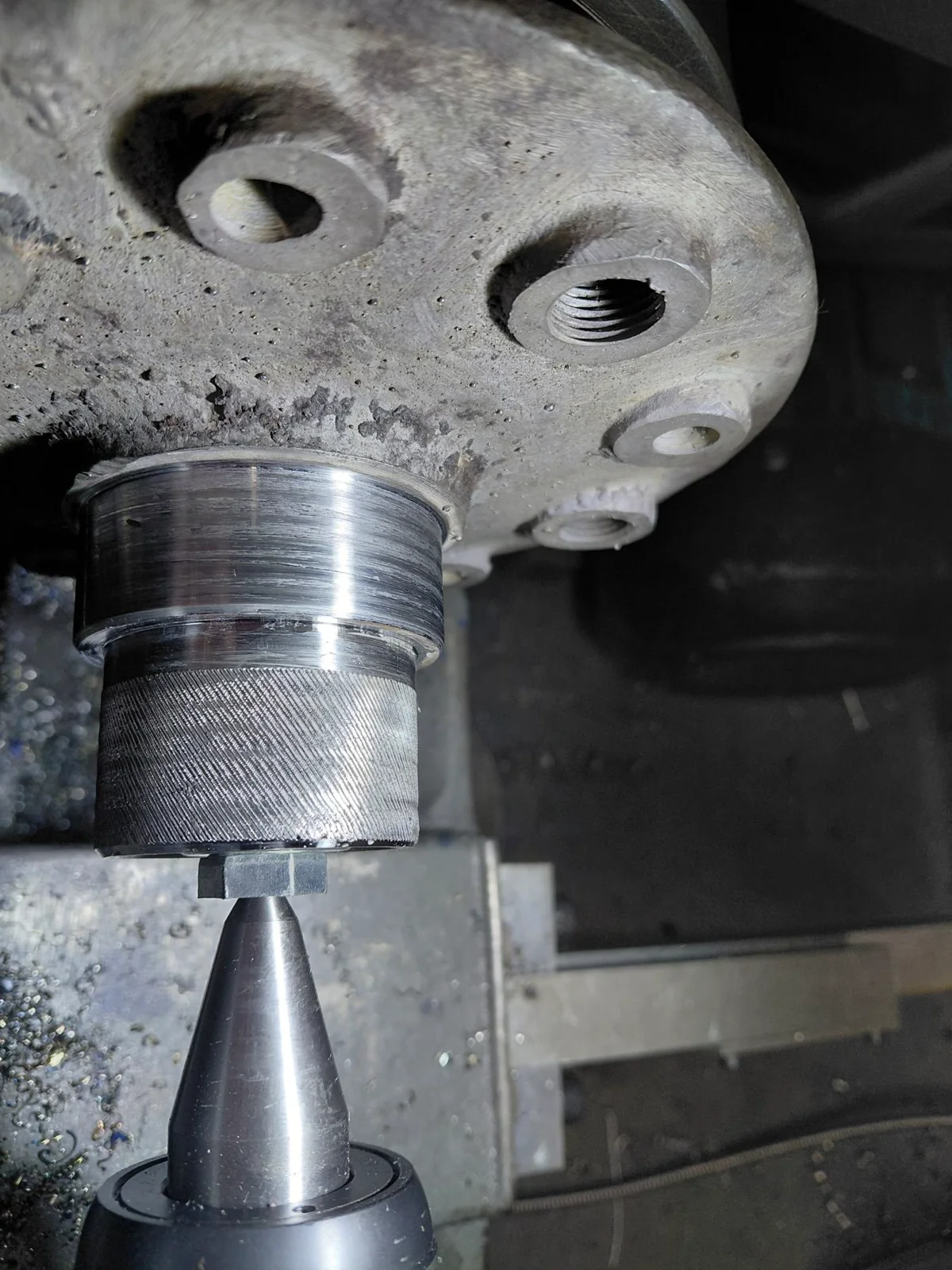
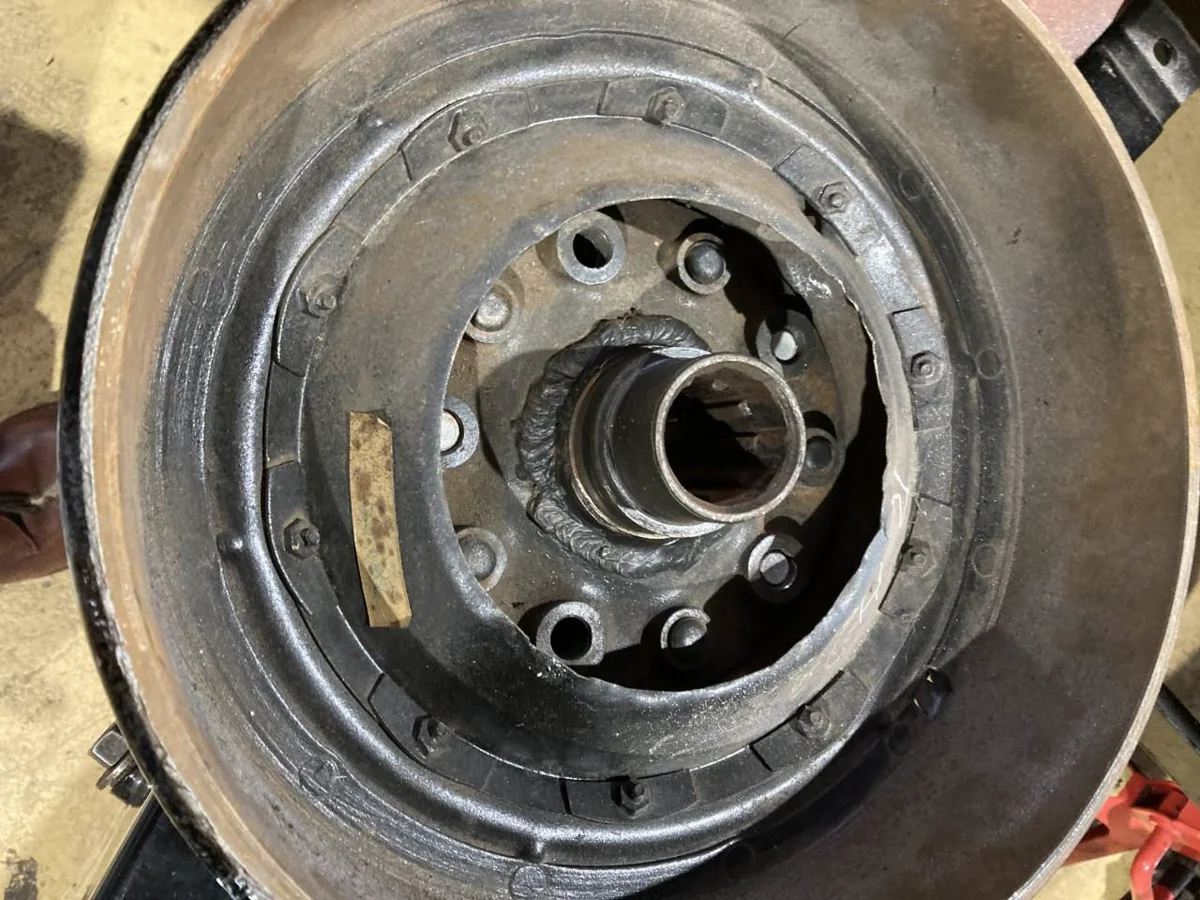
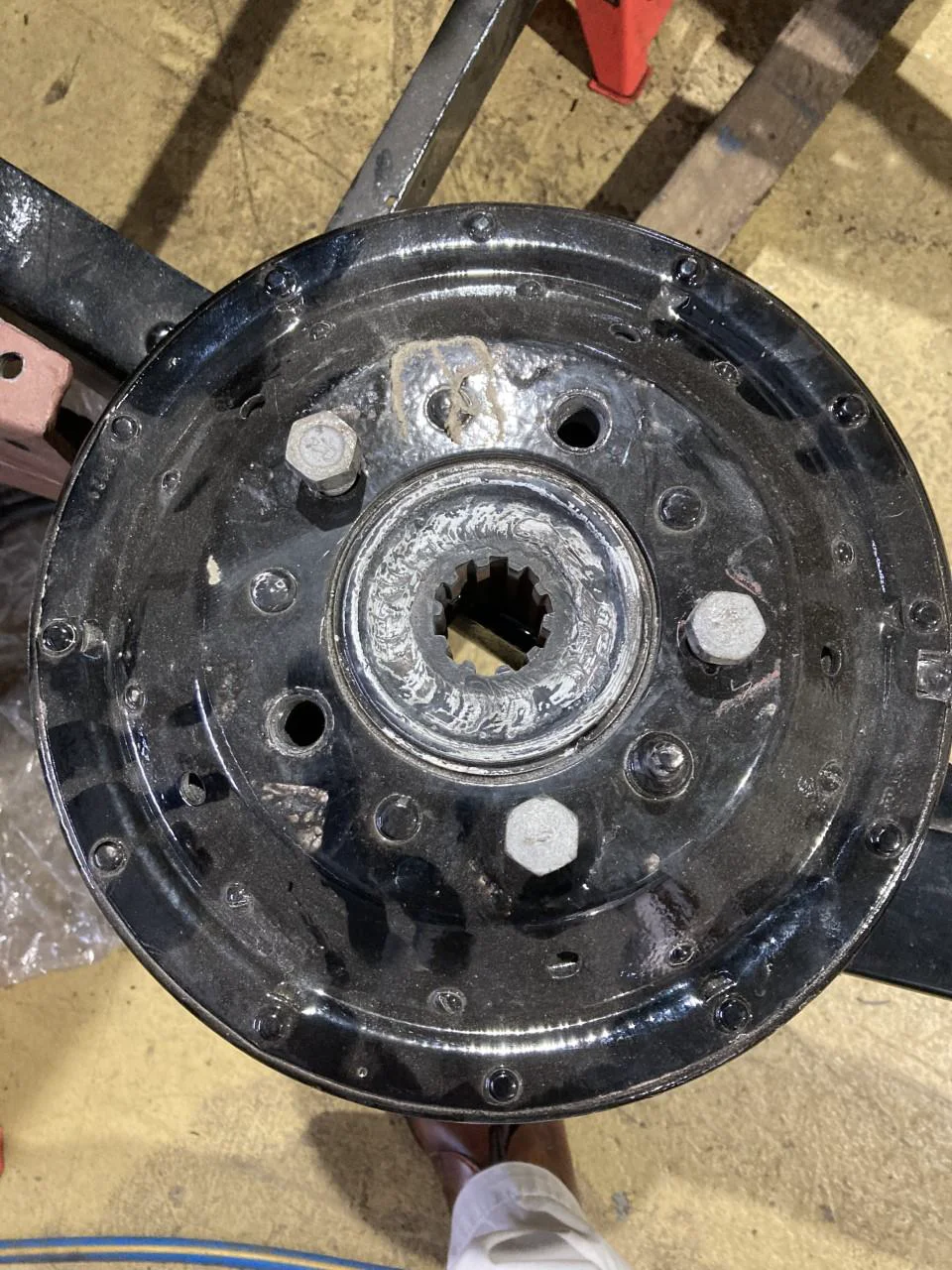
I stopped over at my son Joe's shop and he did machining on 4 front hubs for me. Two unit I had built up with weld and he machined these to a slight interference fit. The other two he knurled for a similar fit. Attached in the photos, you will see the process. He had splined shaft (part we use on our CV conversion) to support and drive the hub in the lathe. He bore a hole in the end and thread it. A heavy washer was machine to fit in the outer end of the hub and clamped tight with a bolt. The bolt head was center drilled so this can be supported with a live. This keeps the hub tightly centered while machining or knurling. We cleanup and polish the seal surface also. Pat Leahy
 0
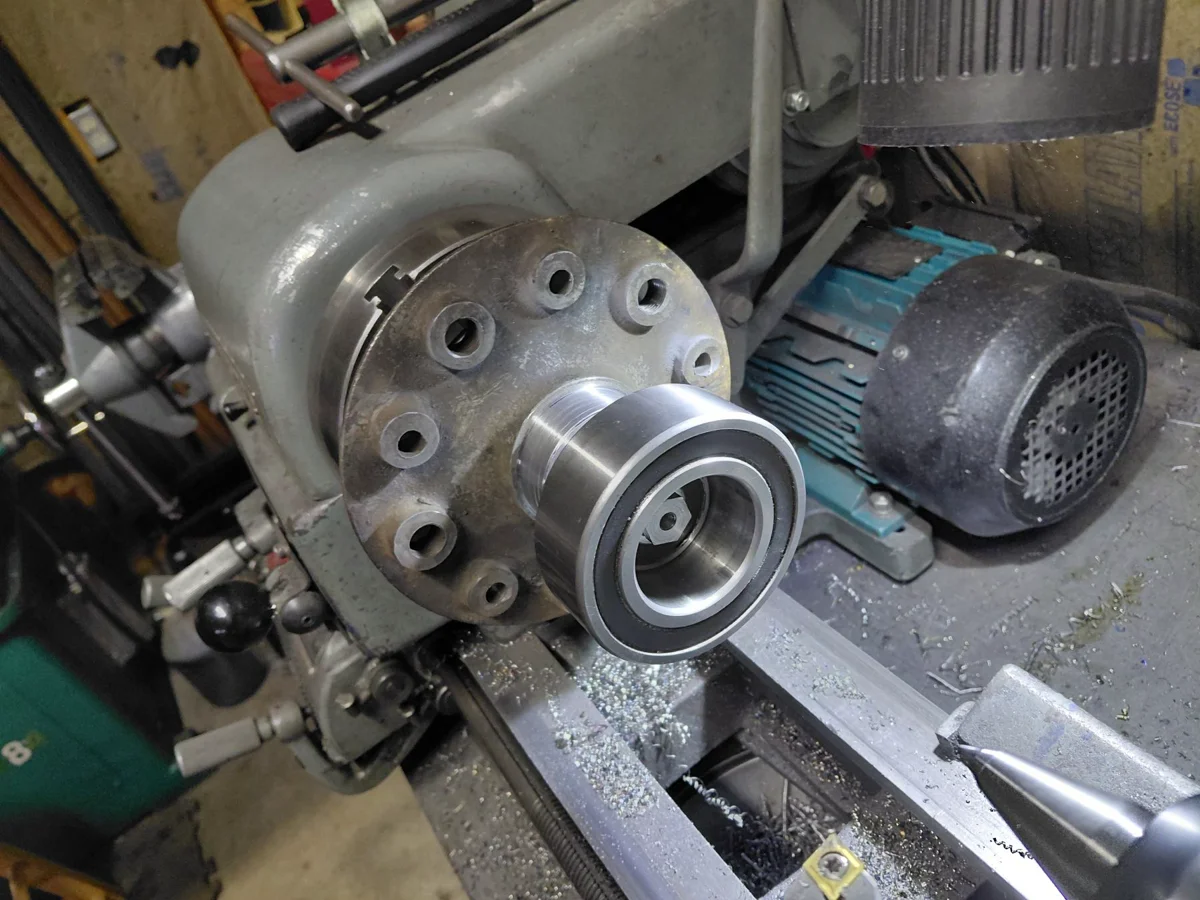
This was the first project on mine after experiencing a bad wobble on the drive home. I sent the front hub out to be hard chromed and ground.
Hi Adam, funny I didn't notice any wheel wobble when the shiny black Westchester zoomed past me at the enterance of the Henry Ford Museum back in 2022.
I think you did the right thing having it hard chrome plated and ground.
Building the surface by welding would induce a lot of stress into the hub.
The welding would cause the round section to shrink.
When my Cord first went back on the road I had new hubs all round that were machined from billet. Later I fitted a pair of Richardson's drive shafts that also have machined steel hubs.
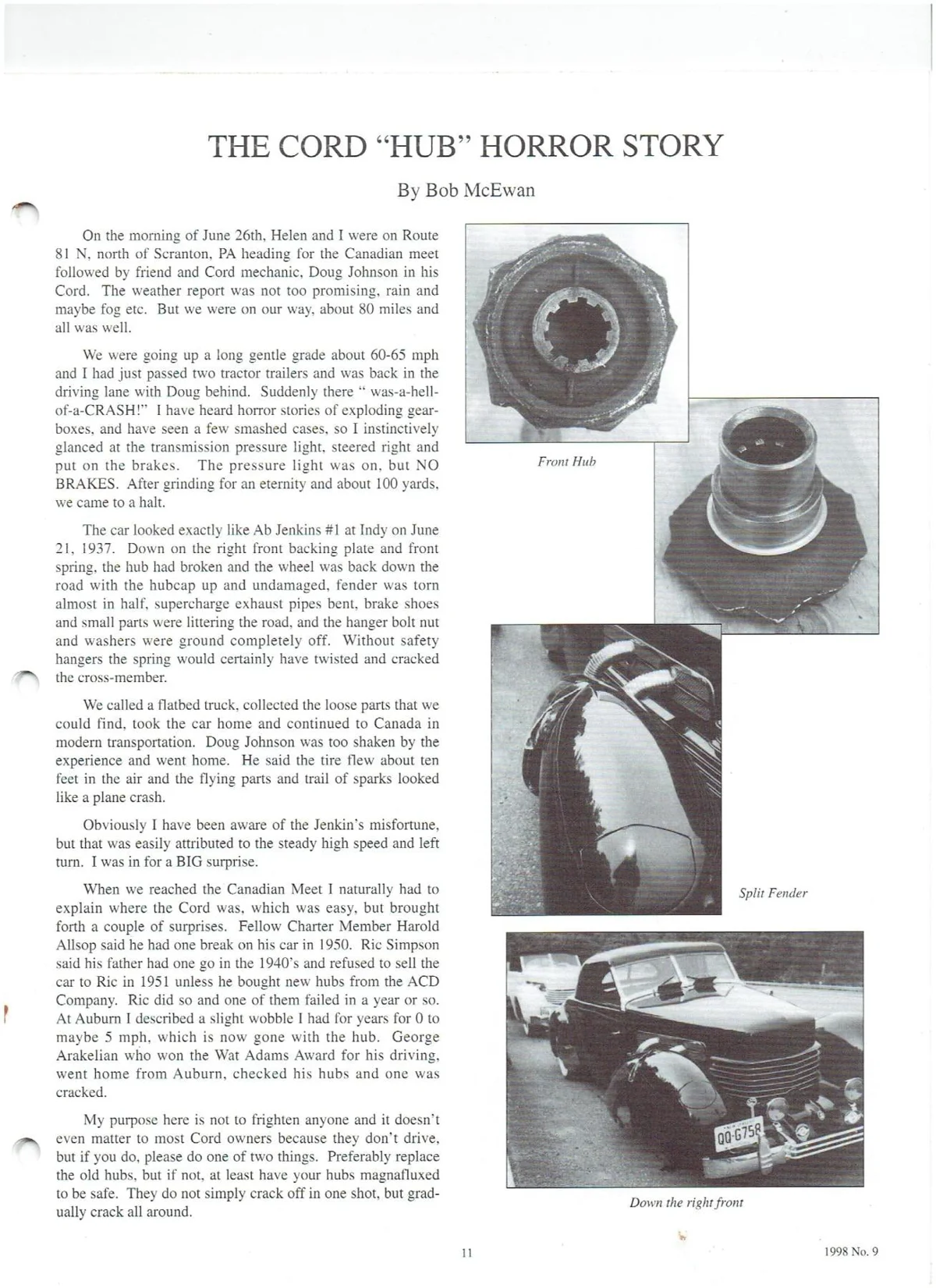
Attached is a copy of the story of Bob McEwan's front wheel hub failure.
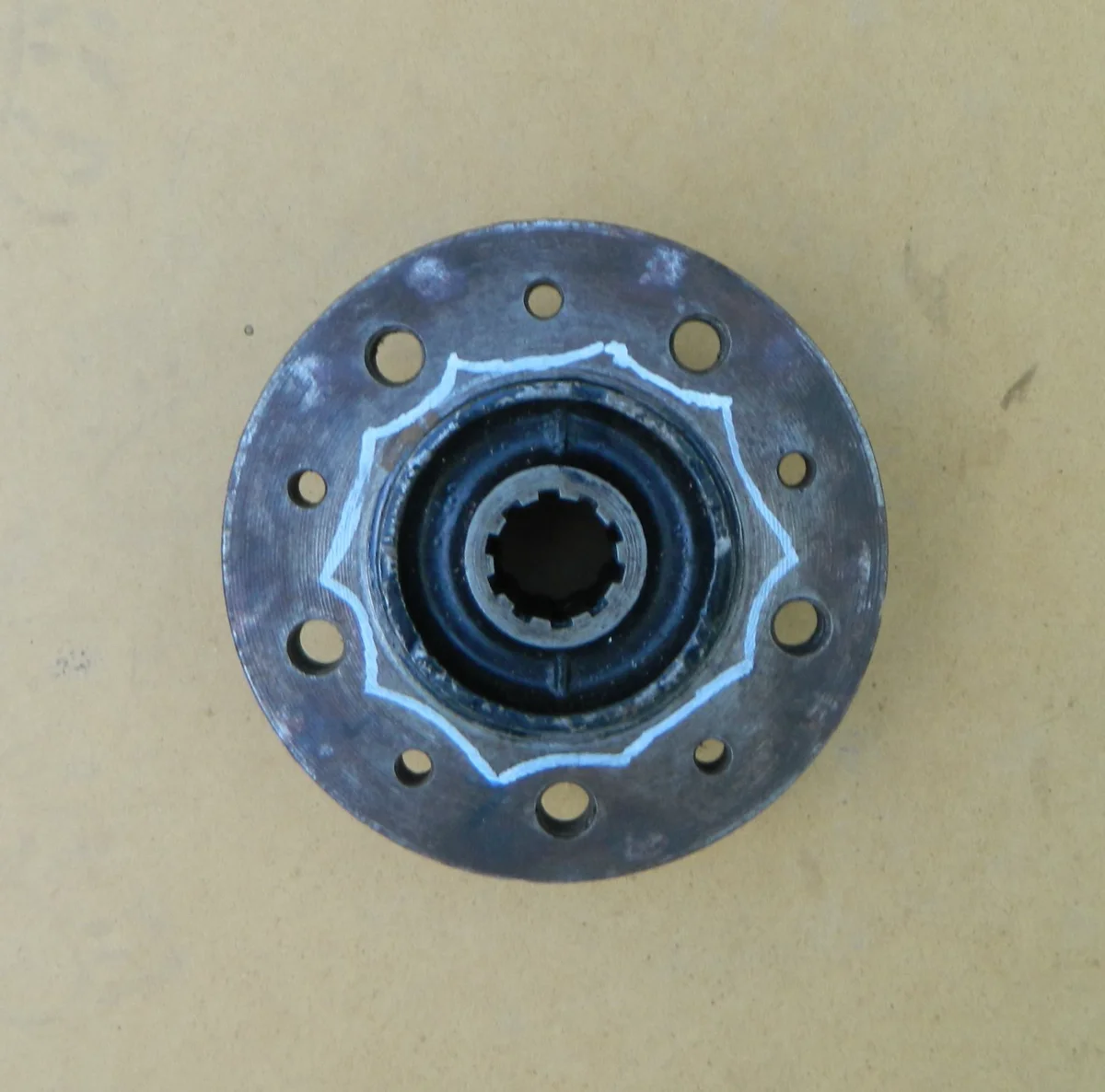
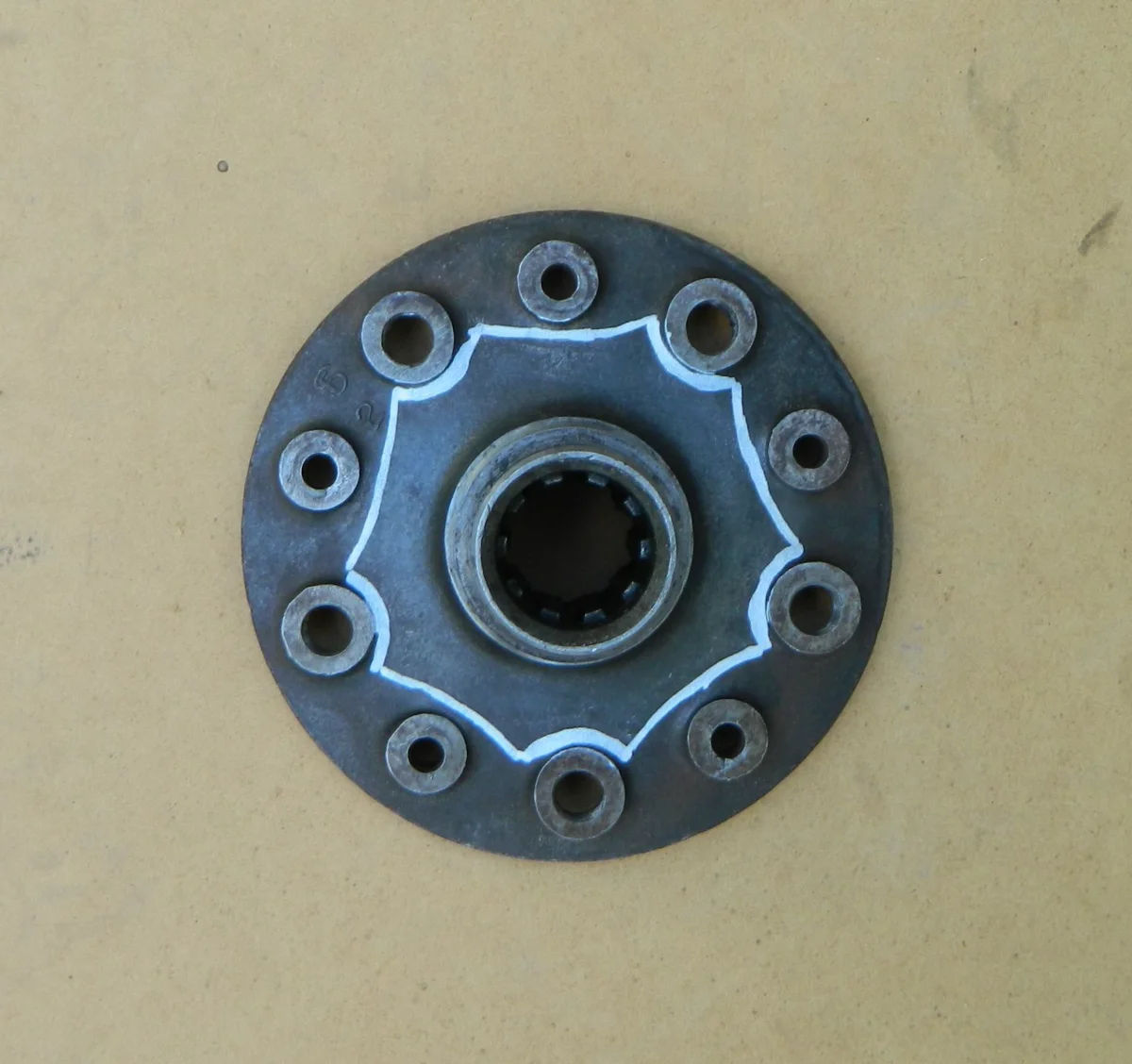
I marked the white line in the other pictures to show the failure from both sides. Bob's failure must have involved the wheel with over tightening of the bolts. The pattern is cyclic.
Bob was luck to survive the incident.
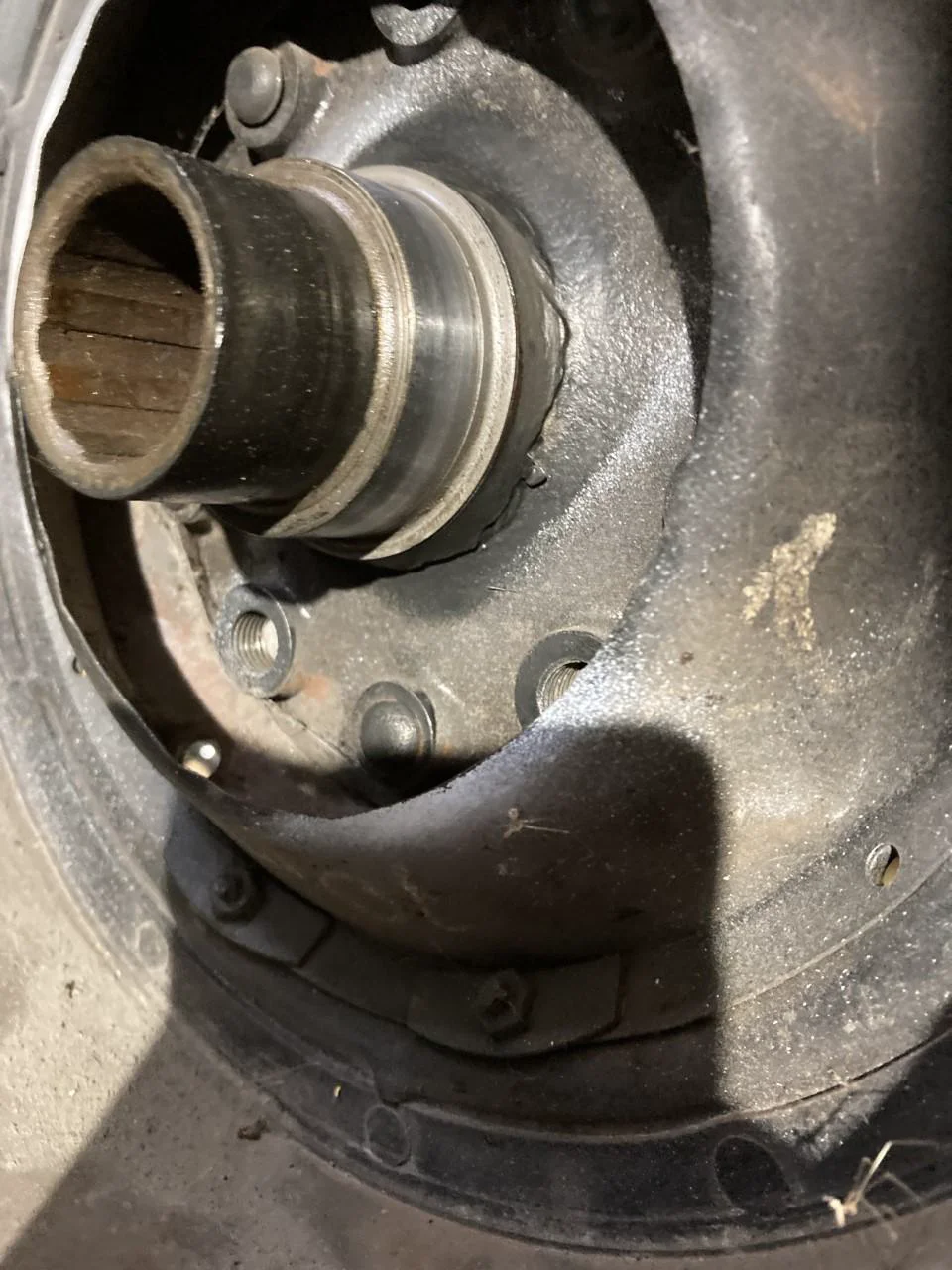
The last group of pictures shows some hub failures on a RHD Cord here in Ausatralia. The dirt roads in the past were atrocious. The owner of this Cord is using drive shaft assemblies made by Pat Leahy.
To join in the conversation, you must be a club member.
You’re welcome to read and like every post. Members can reply and start topics of their own.