BL
@Blackiron
I assume this is Graham asking the question?
Early Cords were sprayed with body deadener under the hood.
Eventually this was superseded by painting the hood both sides body colour.
I would assume that the material you referred to was added later.
From my understanding you need to get rid of the heat under the hood and certainly not try to retain it unless the car was in a very cold climate.
Not that I know of but... I have seen something different on the sides of the body under the hood. What I have seen is a black material finish. Could have been paint. Pictures not clear enough. I can tell you the piece under the firewall that has a slope to it on my 47 Beverly has undercoating sprayed on it up to the firewall seam. It was NOT easy to remove either. I have not decided if I will replace it or just paint it body color.
 
 
Gary Parsons
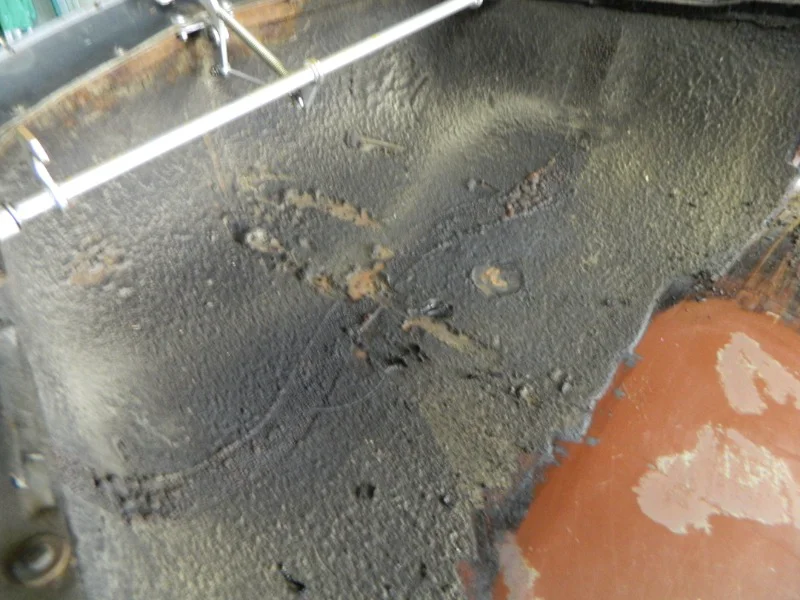
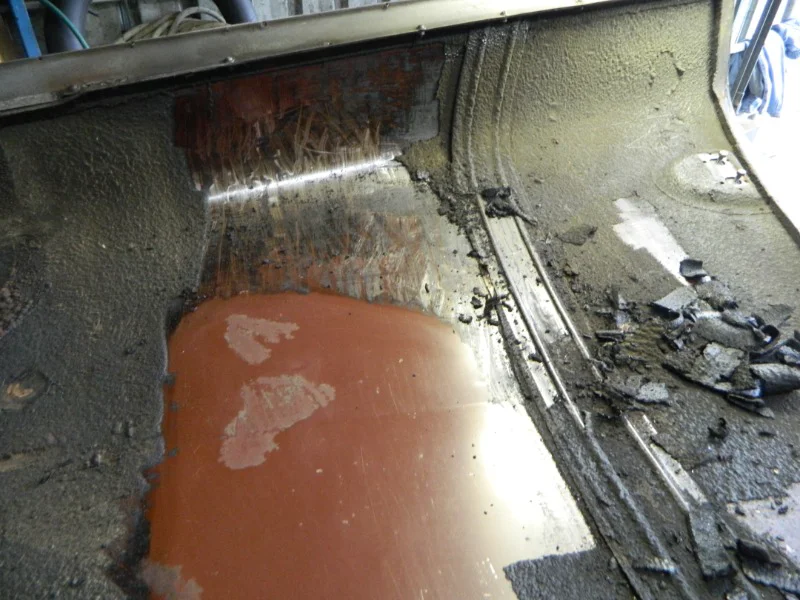
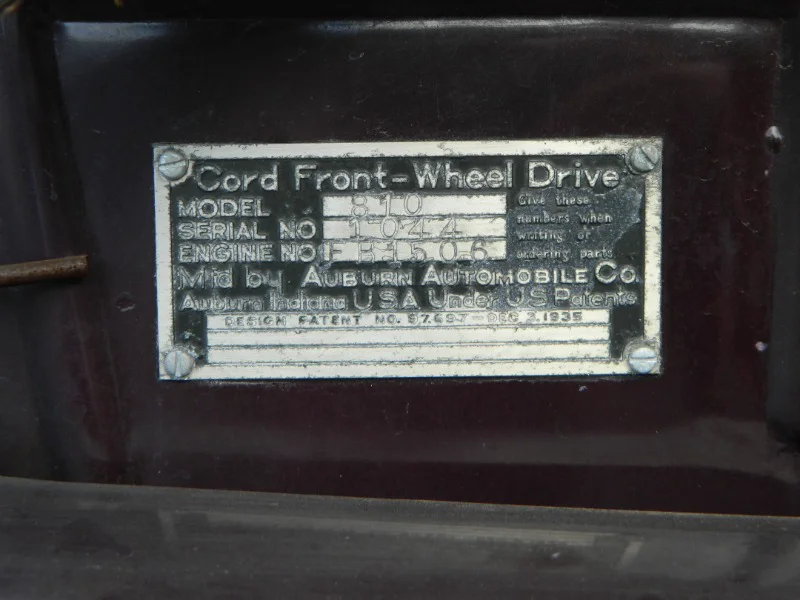
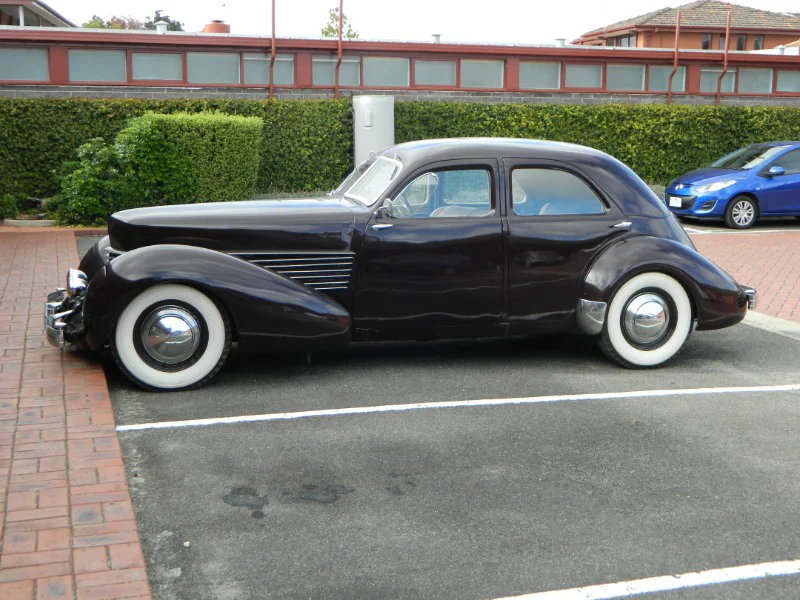
Graham as your Cord is a very early one with Serial No 810 1169 A what you have found under the hood was probably the way it was originally done with that tar paper type sheeting. It would be interesting to contact the current owner of an earlier unrestored RHD Cord in South Africa that has Serial No 810 1154 S but I have no idea who he is.Attached are some pictures of my hood taken when I removed the body deadener. The sheet metal was as good as the day it was covered up. You can also see marks from the rubber seal that came down on the radiator. Also at some point the hood carried an ornament as the hole had been filled in.Pete Kelley's comments regarding a Custom Beverly with a seven louver grill are interesting. I suspect that it didn't have the rocker panels that resulted in the eight louver grill. 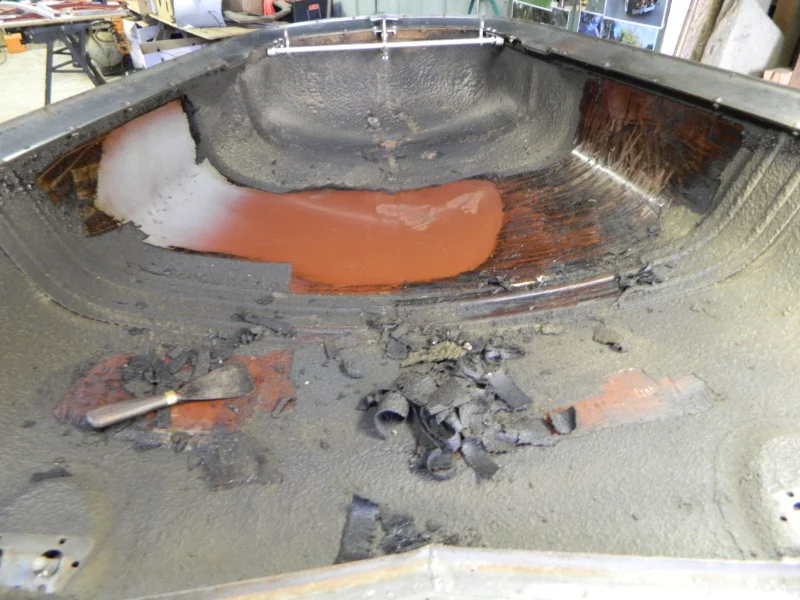 There are a lot of interesting anomalies associated with our Cords.
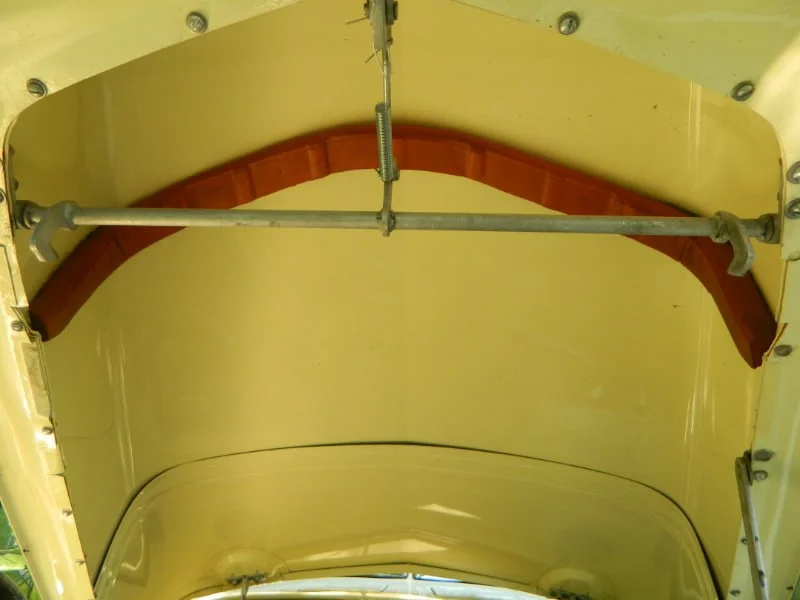
I can't agree with that statement, however I don"t mind sharing information with Cord enthusiasts.
Did you ever check to see if your rear axle had the Langford strengthening gussets added??? I will bet they were not added as they are missing from two other RHD Cords sold in Australia that I have checked out.
Happy Easter,
Terry
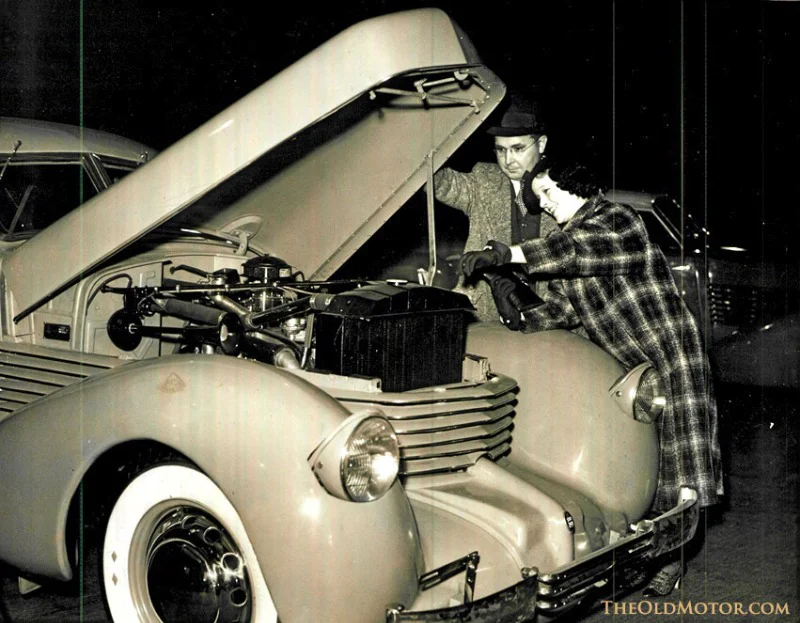
Bill I assume your question refers to the rubber seal above the radiator.The production grill on a Cord directs the air flow upwards with bugs and insects being absent from the bottom half of the radiator core.The rubber seal above the radiator is there to keep the air from passing over the top and forcing it through the core. I would expect that it helps.Tim Gilmartin would be the best guy to give an answer because the picture was of his car.Hand Built Cords had a more open grill that allow the air to pass straight through. 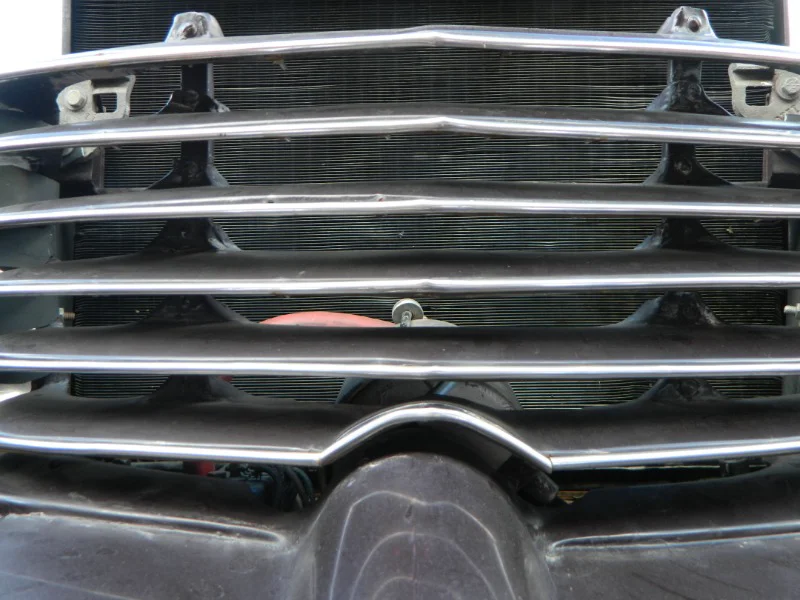
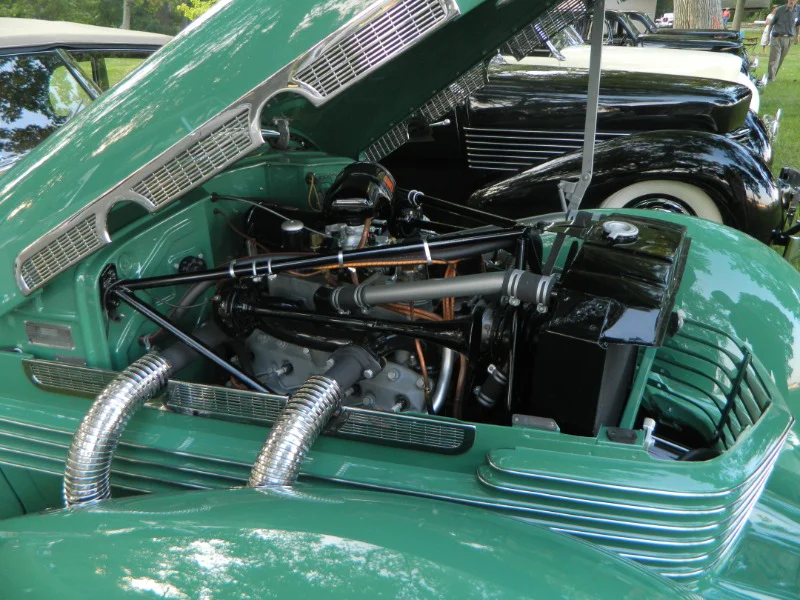
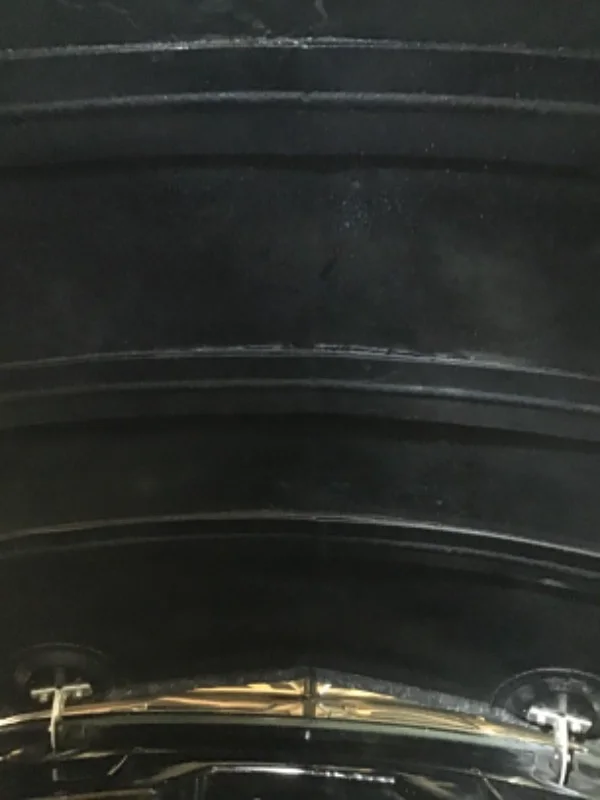
Bill: the foam rubber strip across the hood does show up in the parts manual. I lucked out when I came across some military grade heat proof foam. I canÔÇÖt remember how we found the correct place to glue to the hood. You can see the marks from the radiator, as it sits nicely on top of it.
I have searched the internet, and there is heat proof foam available. I donÔÇÖt think the color makes much difference.
Tim.
The material between the hood inside and braces is a type of cushion.
It was not completely covering the inside of the hood but just in long strips under the braces.
Your early model Cord with Serial 810 1169A would have had bitumen type body deadner sprayed over the inside.
It is interesting that it has three braces. Maybe they were added in Australia at some point in the dim past?
No Terry, the insulation covered the entire hood, same material and pattern as door and turret . I removed it during restoration, it must have been factory as it extended under the braces.
The braces are also factory,, no one in Oz would have bothered to replicate the original ribbed profile even if they knew what is was.
To join in the conversation, you must be a club member.
You’re welcome to read and like every post. Members can reply and start topics of their own.