An ounce of prevention is worth a pound of cure when it comes to stopping rust. I’ve started coating the underside of my new truck before it even sees wet roads for the first time, let alone road salt. I’m still researching which product I’ll use on the exterior of the chassis, but I’m leaning toward WoolWax. In the meantime, I’m coating all of the interior cavities in the frame with wax rustproofing. The two foot wand with 360 degree tip comes in handy for spraying the inside of frame rails and crossmembers I used three full cans of product in the frame rails alone, basically filled it until it ran out any holes. That’s a start anyhow.
The aluminum bodies have proven fairly resistant to corrosion over the last ten years but I’ve seen a few common problem areas turn up. I haven’t seen any major problems on the cabs or beds but the bolt on panels can get some corrosion coming from the hem flanges. Front edges of hoods and lower edges of doors are the most likely. I flooded the lower flanges on the hood and doors and ran the wand up the sides until it ran out the drains. Once it sets up, it can be cleaned up with solvent so it looks like nothing ever happened.

Travis, thank you for posting this. This is a great idea for those of us in the North East where salt gets thrown around everywhere in the winter. My last two trucks I was able to run in to the ground before the real rust issues started but not this last one.
This is my question: If the rust issues are already well on their way is there any value in me doing the same thing?

I think it’s still worth doing. Anything you can do to isolate the rust that has already started from any new moisture or salt will definitely slow it down. Will it be as good as doing it beforehand? No, but every little bit helps. I’ve learned my lesson, rinsing the salt off doesn’t work. For this truck I’m considering getting one of the former guns to wash the chassis with Saltbuster during the winter.

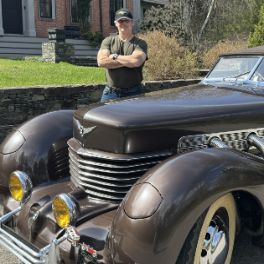
Thanks. Love the color of that truck. Looks like something you would see on a musclecar circa 1970.

Yes, it does. With white “go-faster” stripes, of course.

Continuing on my mission to try to make this truck last forever (yeah, right). I’m addressing potential issues that I’ve seen come up on both my own trucks and on customer vehicles. On my last truck, I had spray-in bedliner which I really liked. The only trouble is, it doesn’t have much energy absorption to stop dents. I was always careful about dents but my old truck still ended up with some dings. My local Line-X shop did a great job but this time I’m being smart and added a bed mat for some absorption.

Travis, what did you spend on that mat? When I bought my previous truck and came with the plastic liner, the matt and a hard tri-fold cover. Never thought about how much those parts add up to until I got my "new" truck that has none of that.

It does add up. The mat was $175 for the 8’ bed. Money well spent though. I haul anywhere from 4-6 cord of firewood every year and it’ll be nice to not have to cringe with every piece that I toss in there.

Had a friend that once explained the difference between the plastic liner and the spray in. He was an electrician and worked his truck hard. He preferred the spray in also but I don't remember why.

Pros and cons to both. Upside of the plastic liners is that you can slide things easily in and out. Downside is that they never stop sliding around and they also wear through the paint underneath.

So the pad solves that for the sliding. Have never had one out to see what happened to the paint.

One issue that I’ve noticed on customers’ Super Duty trucks is where the rubber trim on the front bumper meets the fenders. Once dirt builds up in there, the vibration will wear through the paint on both the aluminum fender and steel bracket on the fender apron. I’ve seen it wear a groove into the aluminum. Not a good combination to have two bare dissimilar metals in such close proximity. Easy enough to put a strip of clear vinyl film on the area to is keep it from wearing. Easy enough to do since the bumper was off to install the plow frame.

You really want this truck to last. Smart.

If it doesn’t last, it won’t be for lack of trying. Ceramic coating is next.

The ceramic coating is done. I told my detail guy that I wanted the good coating on it and he went nuts. He used Gliptone Glisten coating which they advertise as a 5 year but that’s only if you boost it annually with the Extender. There are coatings that last longer but he doesn’t like them because after a certain amount of time the paint gets micro scratches that need to be polished, which removes the coating anyhow. He coated EVERYTHING, paint, plastic trim, glass, door jambs…trailer hitch and plow frame. 😄If someone tries to lean on the side of this thing they’re going to slip right off. It looks so good I won’t even want to take it out of the garage.

Travis, that looks great! Too nice now for a plow truck. Do you mind me asking what it cost to do the ceramic coating?

Yeah, and I’m throwing firewood in it today. I’m not entirely sure what retail would be on this level of coating. My detail guy owed me a favor and did it for me for $750. I would imagine he gets $1000-$1200 to do a full 5 year coating. I think the 50ml bottle of coating is about $300 and there’s a lot of polishing and prepping to get everything ready to apply. The paint has to be perfectly corrected beforehand so doing a brand new vehicle is obviously easier. The midrange coatings are probably the best value because a 1 year will probably cost at least $500 and the crazy long term coatings could go $2000+.

I see all the Tesla guys do it immediately. Does it really protect the paint to warrant that level of investment?

That’s subjective, I suppose. If you’re the kind of person who has enough time or doesn’t mind waxing their car a couple times a year, then it’s probably not worth it to you. If you’re like me and don’t enjoy doing that and maybe don’t wash your vehicle that often, it keeps all the bugs and dirt from sticking so bad so it just washes right off. It’ll also protect trim much better than something like Armorall. Having it on glass and wheels is nice because water will bead off and brake dust won’t stick to it. It does have silicon dioxide in it so it does give slight scratch resistance, particularly against micro scratches from washing and drying. If it’s on a car that is always garaged, you rarely wash, and are just using a duster on, it’ll keep the dust from sticking to the surface.
